Creating a productive home office environment is essential for anyone working remotely or managing tasks from home. A well-designed workspace can help improve focus, reduce stress, and maintain a clear separation between work and personal life. In this post, we’ll share practical tips to help you create a home office that supports productivity and well-being.
Choose the Right Location
The first step is finding the ideal spot for your home office.
– Pick a quiet area: Choose a space away from high-traffic zones or noisy appliances to minimize distractions.
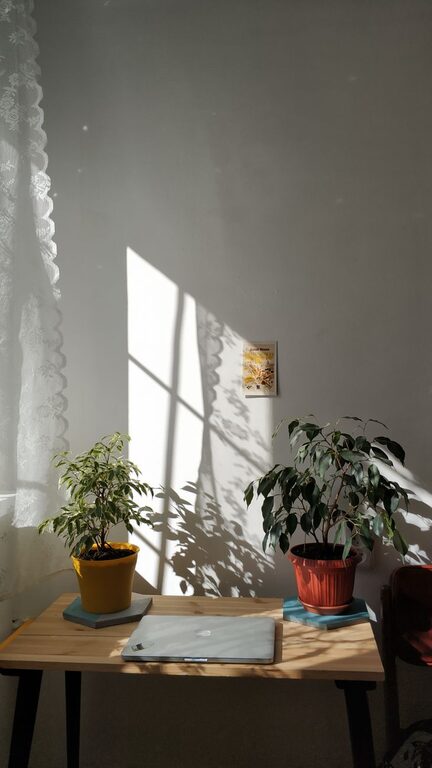
– Consider natural light: Position your desk near a window, if possible, to take advantage of natural light which boosts mood and energy.
– Set boundaries: If you don’t have a separate room, use room dividers or bookcases to create a defined workspace that signals “work time.”
Invest in Ergonomic Furniture
Comfort plays a big role in productivity. Investing in ergonomic furniture can help prevent discomfort and fatigue.
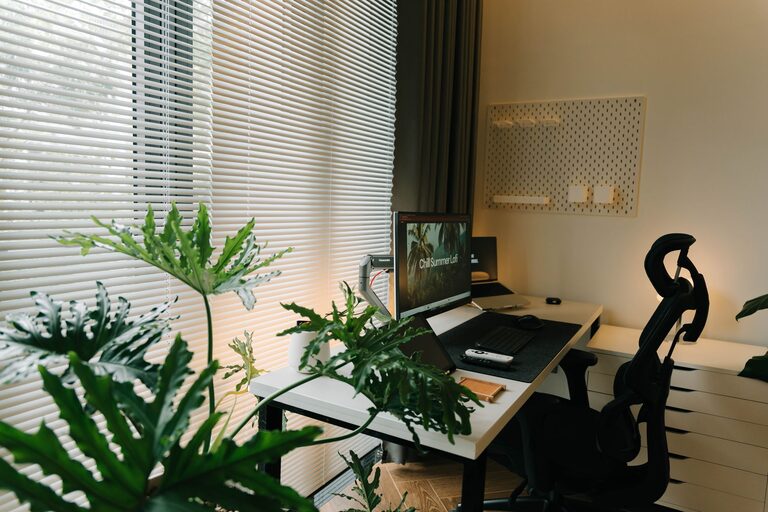
– Ergonomic chair: Select a chair that supports your lower back, encourages good posture, and can be adjusted to your height.
– Desk at the right height: Your desk should allow your arms to rest comfortably with elbows at about 90 degrees.
– Monitor position: Place your monitor at eye level about an arm’s length away to reduce eye strain and neck pain.
Organize Your Workspace
An organized desk helps keep your mind clear and your tasks manageable.
– Declutter regularly: Keep only essential items on your desk and store other supplies neatly.
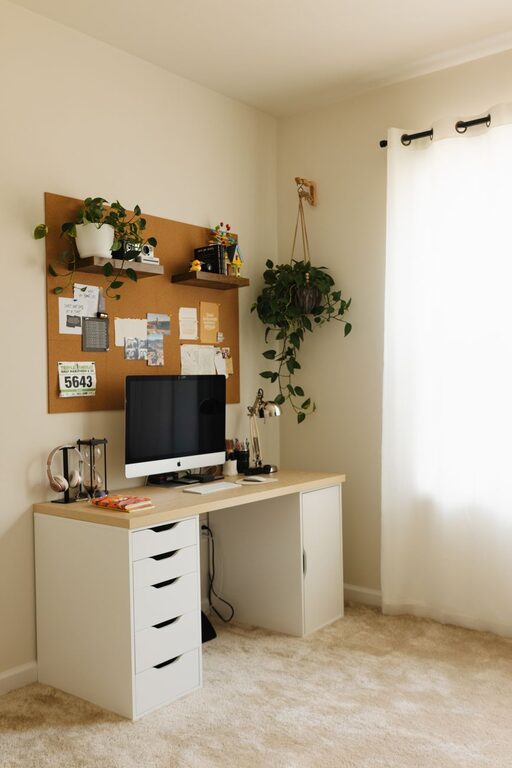
– Use storage solutions: Shelves, drawers, and organizers can help keep paperwork and tools in order.
– Cable management: Use clips or cable sleeves to keep cords tidy and reduce hazards.
Optimize Lighting
Proper lighting is crucial to avoid eye strain and maintain alertness.
– Natural light: As mentioned, position your workspace near a window when possible.
– Task lighting: Use adjustable desk lamps to provide focused light for reading or writing.
– Avoid glare: Position screens to prevent glare from windows or overhead lights.
Minimize Distractions
Staying focused is key when working from home.
– Set work hours: Establish clear start and stop times to create routine and help manage interruptions.
– Use noise control: Noise-canceling headphones or white noise machines can block out ambient sounds.
– Limit phone and social media: Consider turning off non-essential notifications during work time.
Incorporate Personal Touches
Adding small personal touches can make your space more inviting and inspiring.
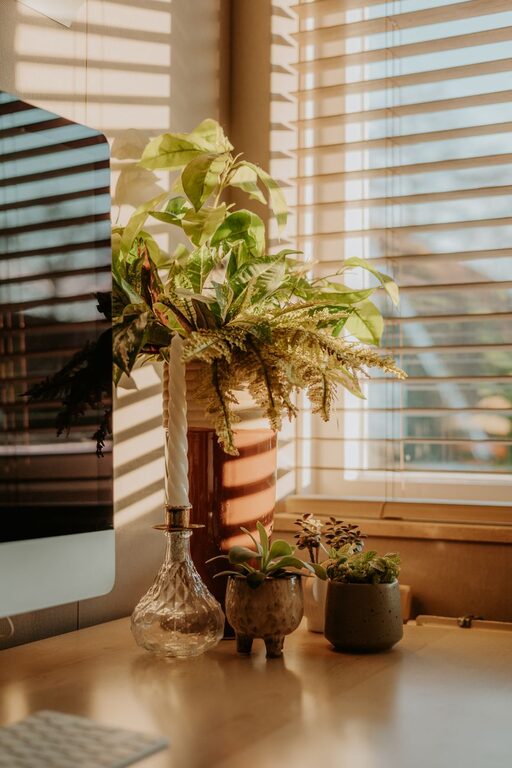
– Plants: Indoor plants improve air quality and add a refreshing natural element.
– Artwork or photos: Display images that motivate or make you feel happy.
– Comfort items: A cozy blanket or a favorite mug can bring warmth and positivity.
Maintain Good Habits
Your workspace setup works best when paired with healthy routines.
– Take breaks: Follow the 20-20-20 rule—every 20 minutes, look at something 20 feet away for 20 seconds—to reduce eye strain.
– Stay hydrated and nourished: Keep water and snacks nearby to maintain energy.
– Move regularly: Stand up, stretch, or walk around periodically to boost circulation and focus.
Use Technology Wisely
Technology can improve productivity but can also be distracting.
– Choose the right tools: Use apps and software that help organize tasks, track time, or facilitate communication.
– Keep devices updated: Ensure your hardware and software run smoothly to avoid interruptions.
– Limit multi-tasking: Focus on one task at a time to maintain quality and efficiency.
Conclusion
Creating a productive home office environment is about combining comfort, organization, and good habits in a space that supports your work style. By choosing the right location, investing in ergonomic furniture, managing lighting, and reducing distractions, you can transform your home office into a place where you can focus, create, and succeed. Remember, your workspace should adapt to you—not the other way around. Take time to personalize and improve it as your needs evolve.
About the Author