
Creating a productive and inviting home workspace is essential for anyone who works remotely or spends a significant amount of time on tasks at home. A well-designed workspace can improve focus, increase comfort, and even boost creativity. Whether you have a dedicated room or a small corner, these tips will help you create a home office environment that works for you.
Why a Good Home Workspace Matters
Working from home has become increasingly common, and the environment you create impacts your efficiency and well-being. A workspace that is comfortable and organized can reduce distractions, minimize stress, and make work feel more enjoyable.
Choose the Right Location
Find a Quiet, Low-Traffic Area
Select a spot in your home where you can work without interruptions. Ideally, it should be away from noisy parts of the house like the television room or kitchen.
Consider Natural Light
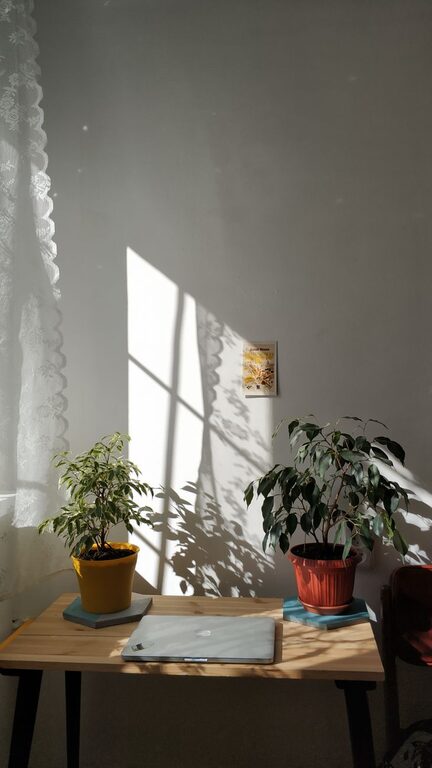
Natural light not only helps reduce eye strain but also improves mood and energy levels. Try to position your desk near a window but avoid glare on your screen.
Invest in Comfortable and Functional Furniture
Ergonomic Chair
Choose a chair that supports your posture, with adjustable height and lumbar support. Comfort is key to avoid back pain during long work hours.
Desk Space
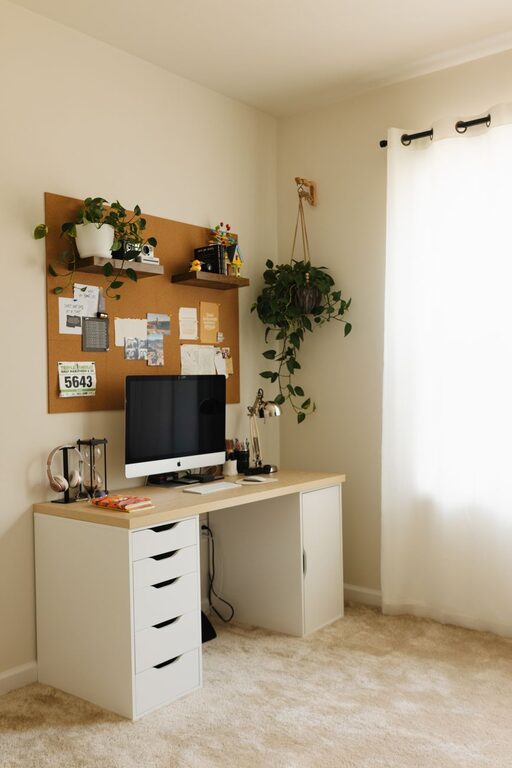
Ensure your desk has enough space for your computer, supplies, and any other tools you need. If possible, opt for a desk with storage to keep your essentials organized.
Standing Desk Option
If you prefer, consider a standing desk or a convertible desk that allows you to alternate between sitting and standing – this can help reduce fatigue.
Organize and Personalize Your Space
Declutter Regularly
Keep only the items you need on your desk. Excess clutter can distract and decrease productivity.
Use Storage Solutions
Utilize shelves, bins, or drawers to store documents and supplies neatly. Labeling boxes can save time when searching for items.
Add Personal Touches
Decorate your space with a few personal items like photos, plants, or artwork to make it inviting. Plants, in particular, have been shown to improve air quality and boost mood.
Optimize Lighting
Layer Your Lighting
Combine natural light with task lighting such as desk lamps. Adjustable lamps help you control brightness and reduce eye strain.
Avoid Harsh Overhead Lights
Soft, warm lighting creates a relaxing environment. Consider using LED bulbs with adjustable color temperatures.
Minimize Distractions
Use Noise-Canceling Headphones
If your home is noisy, headphones can help you maintain focus by blocking out sounds.
Set Boundaries
Communicate your work hours with family or housemates to minimize interruptions.
Create a Routine and Keep it Tidy
Establish a Start and End Time
Having set work hours helps separate your work life from personal time.
Clean Your Workspace Daily
A quick tidy-up at the end of the day sets you up for a productive tomorrow.
Utilize Technology Wisely
Reliable Internet Connection
A stable internet connection is vital for most remote work tasks.
Organize Digital Files
Keep your computer desktop and folders organized, mirroring your physical workspace neatness.
Use Productivity Tools
Consider apps for time management, task tracking, and note-taking to stay on top of your work.
Maintain Comfort and Wellness
Take Regular Breaks
Use breaks to stretch, move around, or rest your eyes. This improves focus and reduces fatigue.
Keep Water and Snacks Nearby
Staying hydrated and energized supports sustained concentration.
—
By following these tips, you can transform any area in your home into a workspace that feels comfortable and encourages productivity. Remember that the best workspace is one tailored to your needs and preferences, so make adjustments as you go along to find what works best for you.
About the Author