Creating a home office that feels both cozy and productive can transform the way you work from home. Whether you spend a few hours or all day in your workspace, having an environment that supports concentration and comfort is essential. Here are some helpful tips to design a home office where you can focus and feel relaxed at the same time.
Choose the Right Location
The first step is to select a spot in your home that minimizes distractions and maximizes natural light. Ideally, this space should be away from high-traffic areas and noise to help you stay focused. A quiet corner of a bedroom, a spare room, or even a section of a living room can work, as long as it feels separate from your everyday home life.
Consider Natural Light
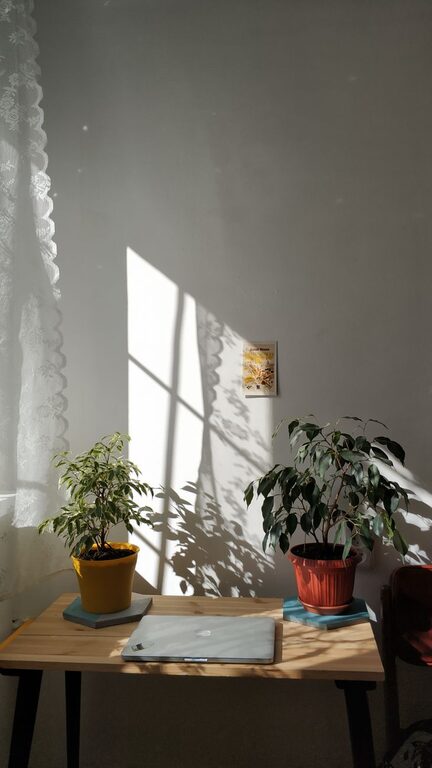
Good lighting impacts both your mood and productivity. Position your desk near a window if possible. Natural light reduces eye strain and helps maintain alertness. If windows are limited, invest in quality task lighting with adjustable brightness to keep your workspace bright without glare.
Invest in Comfortable Furniture
Your desk and chair are the core elements of your home office. Prioritize ergonomics to avoid physical discomfort during long work hours.
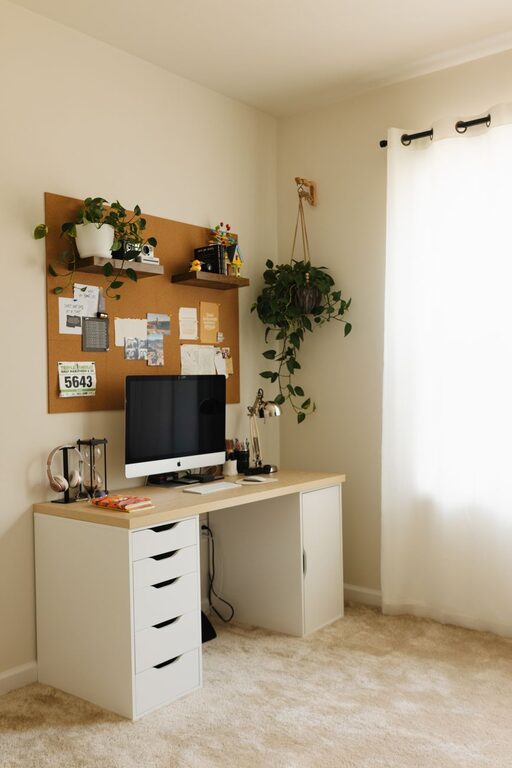
– Desk: Choose a desk with enough surface area for your computer, paperwork, and other essentials. Adjustable or standing desks can offer flexibility to change your posture during the day.
– Chair: An ergonomic chair that supports your back and encourages good posture is vital. Look for adjustable height and lumbar support features.
– Footrest: If your feet don’t comfortably touch the floor, adding a footrest can improve posture and reduce strain.
Organize Efficiently
Keeping your workspace tidy helps reduce stress and distraction. Make storage and organization a priority.
– Use drawers and shelves: Keep supplies, files, and personal items out of sight but easily accessible.
– Desk organizers: Use trays, pen holders, or small containers to keep your desk surface clear.
– Cable management: Tangle-free cables help maintain a clean and safe workspace. Use clips, ties, or cable boxes for a neat look.
Add Personal and Cozy Touches
A home office that feels inviting can increase your motivation and well-being.
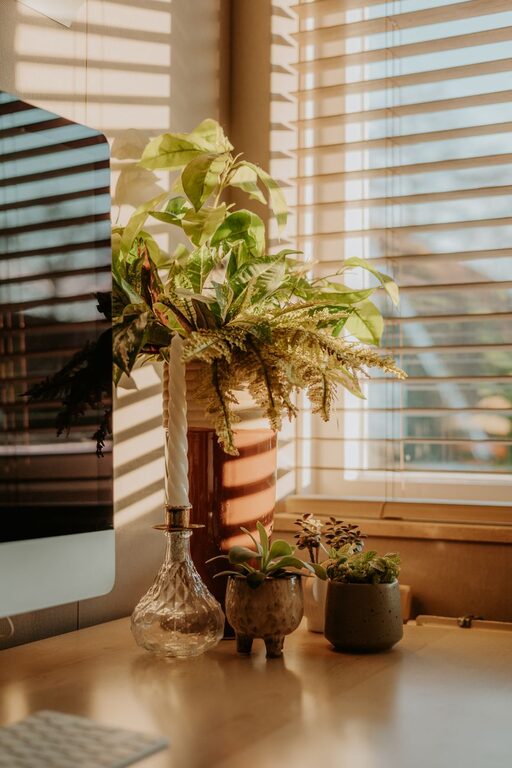
– Plants: Adding greenery can boost mood and reduce stress. Low-maintenance plants like succulents or pothos are ideal for beginners.
– Artwork or photos: Decorate with images that inspire or relax you.
– Soft textiles: A small rug, cushion, or throw blanket adds warmth and comfort.
– Scent: Light scents from candles or diffusers can enhance your workspace ambiance — just keep safety in mind.
Manage Noise and Distractions
Sometimes home environments can be noisy. Here are ways to keep disturbances minimal:
– Noise-canceling headphones: Useful if you need to focus amid household noises.
– White noise machines or apps: These can mask distracting sounds.
– Set boundaries: Communicate your working hours to family or roommates to limit interruptions.
Technology Essentials
Having the right technology helps you work smoothly and efficiently.
– Reliable internet: A stable connection is critical for video calls and online tasks.
– Monitor(s): A larger or dual monitor setup can increase productivity.
– Keyboard and mouse: Ergonomic options can reduce hand strain.
– Backup: Keep a portable hard drive or cloud service to save important files securely.
Establish a Daily Routine
A consistent schedule can help separate work from home life even when the spaces overlap.
– Start with a morning ritual: Whether it’s a cup of coffee or a quick stretch, this helps signal the beginning of work time.
– Take breaks: Regular rests improve focus and prevent burnout. Follow the 20-20-20 rule: every 20 minutes, look at something 20 feet away for 20 seconds.
– End each day by tidying: Closing out your workday with a clean desk helps you mentally switch off.
Final Thoughts
Designing a cozy and productive home office is about balancing comfort with function. By choosing the right location, investing in ergonomic furniture, organizing effectively, and personalizing your space, you can create an environment where work feels less like a chore and more like a comfortable part of your day. Small changes can make a big difference in your overall work-from-home experience. Try experimenting with these tips to find what works best for you.
About the Author