Creating a cozy and inviting home environment is something many of us strive for. Whether you’re looking to unwind after a long day, entertain guests comfortably, or simply enjoy your own personal space more, a warm and welcoming home can make a big difference. Fortunately, making your home feel cozy doesn’t require expensive renovations or a lot of time. By adding a few thoughtful touches, you can transform your space into a retreat tailored to your comfort and style.
In this post, we’ll explore simple and practical tips to help you create a cozy and inviting atmosphere in your home.
1. Bring in Warm and Soft Textures
One of the easiest ways to make a room feel cozy is by incorporating warm textures. Soft textiles not only add comfort but also add visual warmth to a space.
Suggestions:
– Add plush throw blankets and pillows to sofas and chairs.
– Use rugs with soft piles to warm up hard floors.
– Consider velvet or chenille curtains for a richer feel.
– Swap out smooth cotton sheets for flannel in colder months.
These small additions invite you and your guests to relax and get comfortable.
2. Play with Lighting
Lighting can dramatically affect the mood of a room. Bright overhead lights often feel harsh, while softer light sources create a soothing environment.
Tips for warm lighting:
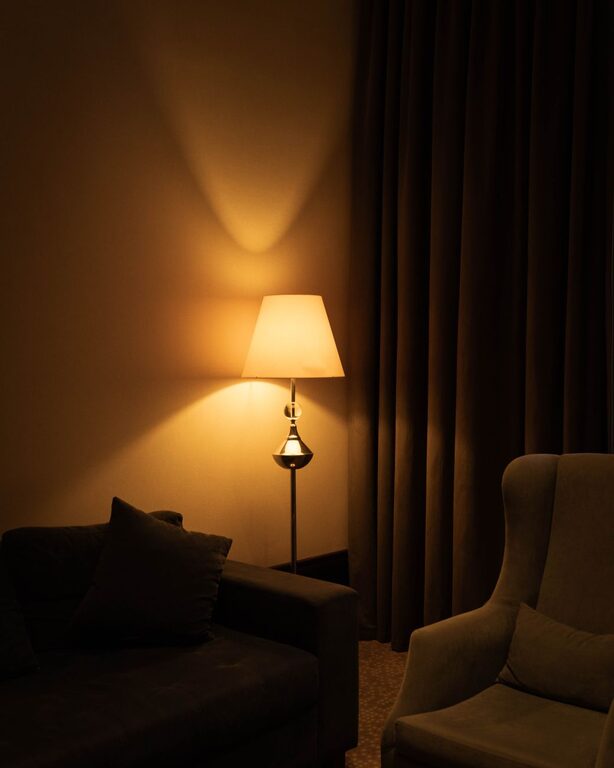
– Use table and floor lamps with warm-toned bulbs.
– Add candles or flameless LED candles for a gentle glow.
– Consider string lights in living or bedroom areas for a whimsical touch.
– Use dimmer switches to control lighting levels throughout the day.
Natural light is also important, so keep windows clean and use light curtains that let sunlight in during the day.
3. Choose a Warm Color Palette
Color has a strong impact on how comfortable a room feels. Warm colors, such as soft creams, earth tones, and muted pastels, can make a space feel inviting.
Color ideas:
– Warm beiges, soft taupes, and gentle browns.
– Muted shades of orange, peach, or pumpkin.
– Soft greens and blues that evoke nature and calmness.
If you prefer neutral tones, layering different shades and textures will add depth and warmth without overwhelming the space.
4. Incorporate Natural Elements
Bringing a bit of nature indoors can make your space feel fresh and grounded.
Ways to add natural elements:
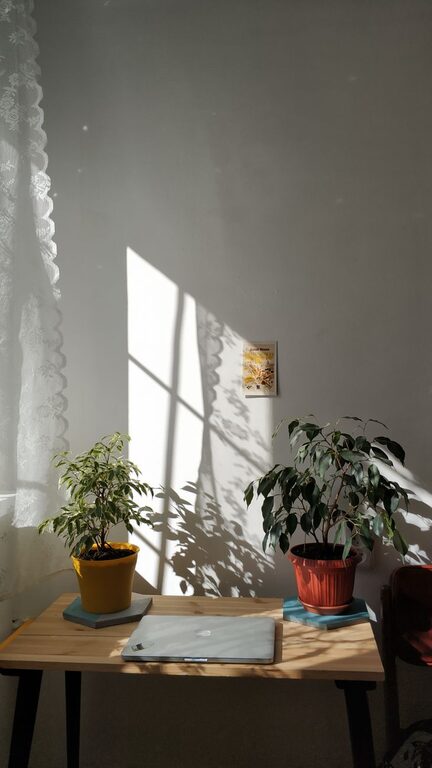
– Houseplants or fresh flowers add life and color.
– Wooden furniture and accessories give warmth and texture.
– Natural fibers like jute, rattan, or wicker create a cozy feel.
– Stones, shells, or other natural decor items can add character.
Beyond decoration, plants also improve air quality, which adds to a healthy home environment.
5. Personalize Your Space
A truly inviting home reflects your personality and tells a story. Adding personal touches makes your space uniquely yours.
Ideas for personalization:
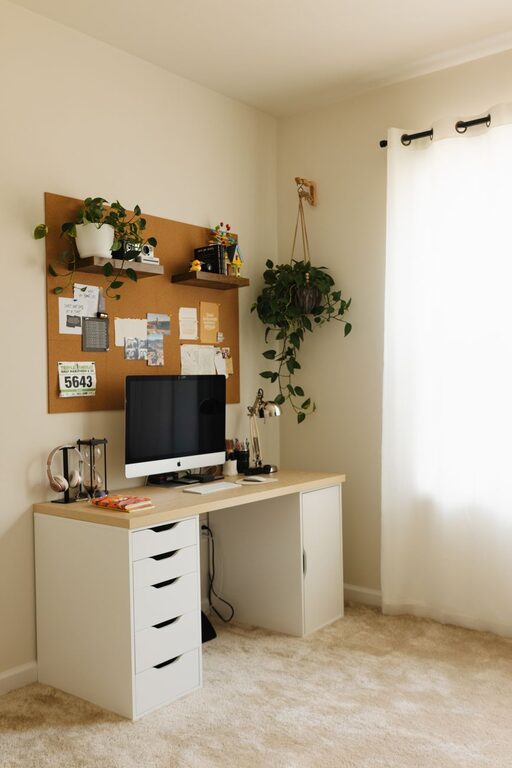
– Display photos and mementos that bring happy memories.
– Showcase artwork or crafts you love.
– Create cozy nooks with books, favorite blankets, and cushions.
– Use meaningful colors or styles that resonate with you.
By incorporating personal items, you’ll make your home feel genuine and more comforting.
6. Keep It Organized and Clutter-Free
Clutter can make a space feel chaotic and stressful, which works against a cozy atmosphere. Creating an organized environment helps maintain calm and comfort.
Organization tips:
– Use baskets, storage bins, and shelves to keep items tidy.
– Regularly declutter and donate things you no longer use.
– Create specific spots for everyday essentials, like keys and mail.
– Make cleaning and tidying a simple daily habit.
An uncluttered space invites relaxation and helps your home feel open and airy.
7. Incorporate Soft Sounds and Scents
Our senses contribute greatly to how we experience a space. Soft sounds and pleasant scents can enhance warmth and relaxation.
Sensory ideas:
– Play gentle music or nature sounds to create a peaceful ambiance.
– Use essential oil diffusers with calming scents like lavender or vanilla.
– Light scented candles or use soy-based wax melts for subtle fragrance.
Avoid overpowering smells or loud noises that may cause discomfort.
8. Create Comfortable Seating Areas
A welcoming home has places where people want to sit, relax, and linger.
How to improve seating comfort:
– Add extra cushions and throws to sofas and chairs.
– Arrange furniture to encourage conversation and connection.
– Include small side tables for drinks or books.
– Consider a cozy armchair, reading nook, or window seat.
Think about how you and your guests use the space and arrange seating accordingly.
9. Layer Your Lighting and Textiles
Combining various elements creates a rich, inviting environment.
Layering means:
– Pairing multiple light sources at different heights.
– Using a combination of rugs, throws, and curtains.
– Mixing materials like wood, metal, fabric, and glass.
This approach adds visual interest and comfort without complexity.
—
Final Thoughts
Creating a cozy and inviting home environment is about thoughtful, simple choices that bring warmth and comfort to your daily life. Whether you prioritize soft textures, warm lighting, natural elements, or personal touches, each small step helps make your home a sanctuary you love coming back to.
Remember, your cozy home should reflect what makes you feel comfortable and happy. Start with one or two of these tips, and gradually build from there. Enjoy the process of making your home a welcoming retreat for yourself and your loved ones.
About the Author